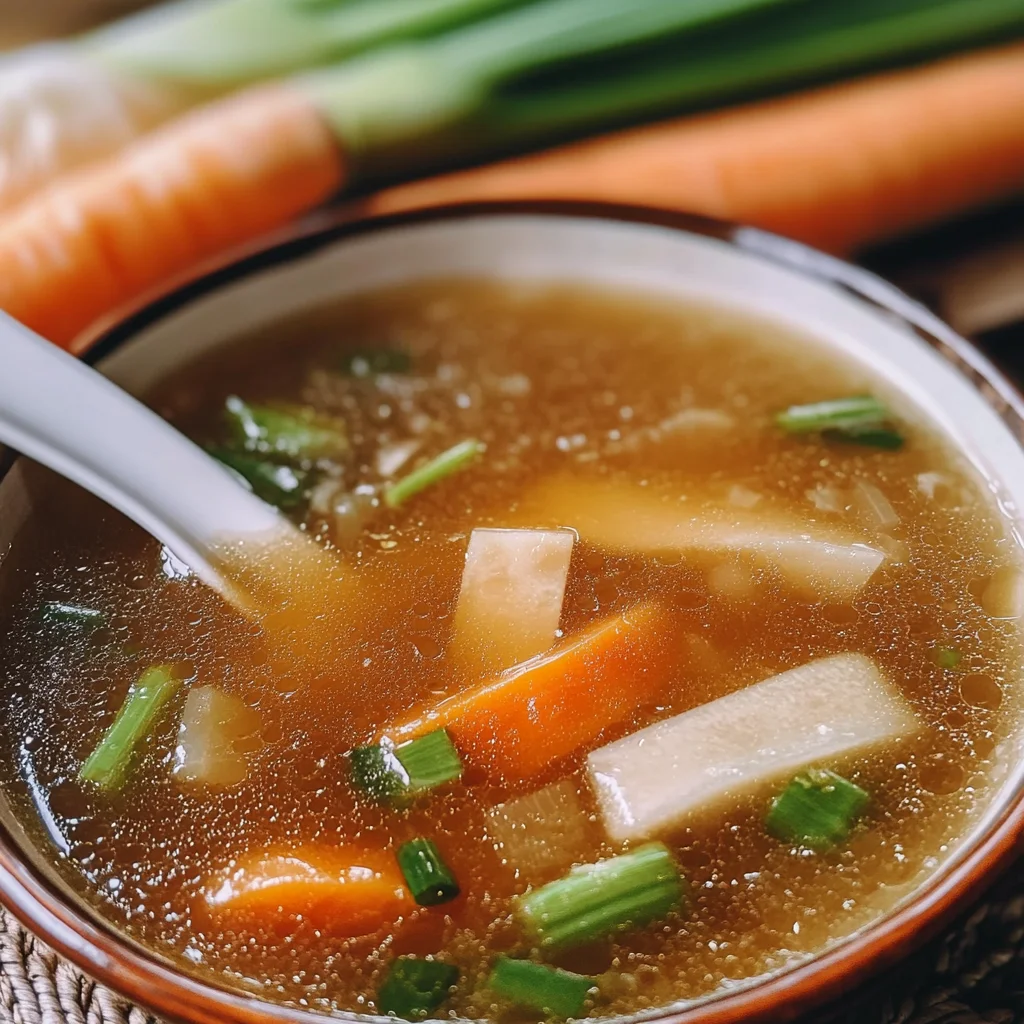
This rich Asian Vegetable Stock is perfect for sipping on its own or using as a base for delightful soups and noodle dishes. Its complex flavors and aromatic qualities make it a standout in any kitchen. Whether you’re preparing a cozy winter meal or a refreshing summer soup, this stock serves as an excellent foundation, brimming with freshness and umami.
Jump to:
- Why You’ll Love This Recipe
- Tools and Preparation
- Essential Tools and Equipment
- Importance of Each Tool
- Ingredients
- For the Vegetables
- How to Make Asian Vegetable Stock
- Step 1: Preheat the Oven
- Step 2: Prepare the Stock
- Step 3: Combine Ingredients
- Step 4: Simmer the Stock
- Step 5: Strain and Season
- How to Serve Asian Vegetable Stock
- As a Warm Beverage
- In Noodle Soups
- As a Cooking Liquid
- With Stir-Fried Dishes
- How to Perfect Asian Vegetable Stock
- Best Side Dishes for Asian Vegetable Stock
- Common Mistakes to Avoid
- Storage & Reheating Instructions
- Refrigerator Storage
- Freezing Asian Vegetable Stock
- Reheating Asian Vegetable Stock
- Frequently Asked Questions
- What is Asian Vegetable Stock?
- How long does homemade Asian Vegetable Stock last?
- Can I customize my Asian Vegetable Stock?
- What dishes can I use Asian Vegetable Stock in?
- Is it possible to make this stock vegan?
- Final Thoughts
- 📖 Recipe Card
Why You’ll Love This Recipe
- Easy to Make: With simple steps and minimal prep, this stock can be whipped up with ease.
- Flavorful Base: The combination of vegetables and aromatics creates a deep, rich flavor that enhances any dish.
- Versatile Usage: Perfect for soups, stews, or even risottos; it adapts to various cuisines effortlessly.
- Nutrient-Rich: Packed with vegetables, this stock is not only tasty but also nourishing.
- Meal Prep Friendly: Make a large batch and freeze for later use to save time on busy days.
Tools and Preparation
To create your Asian Vegetable Stock effectively, you’ll need some essential tools in your kitchen.
Essential Tools and Equipment
- Large stockpot
- Baking sheet
- Knife
- Cutting board
- Strainer
Importance of Each Tool
- Large stockpot: Ideal for simmering the stock evenly over long periods, extracting maximum flavor from the ingredients.
- Baking sheet: Perfect for roasting the napa cabbage, enhancing its sweetness and aroma before combining with other ingredients.
Ingredients
For the Vegetables
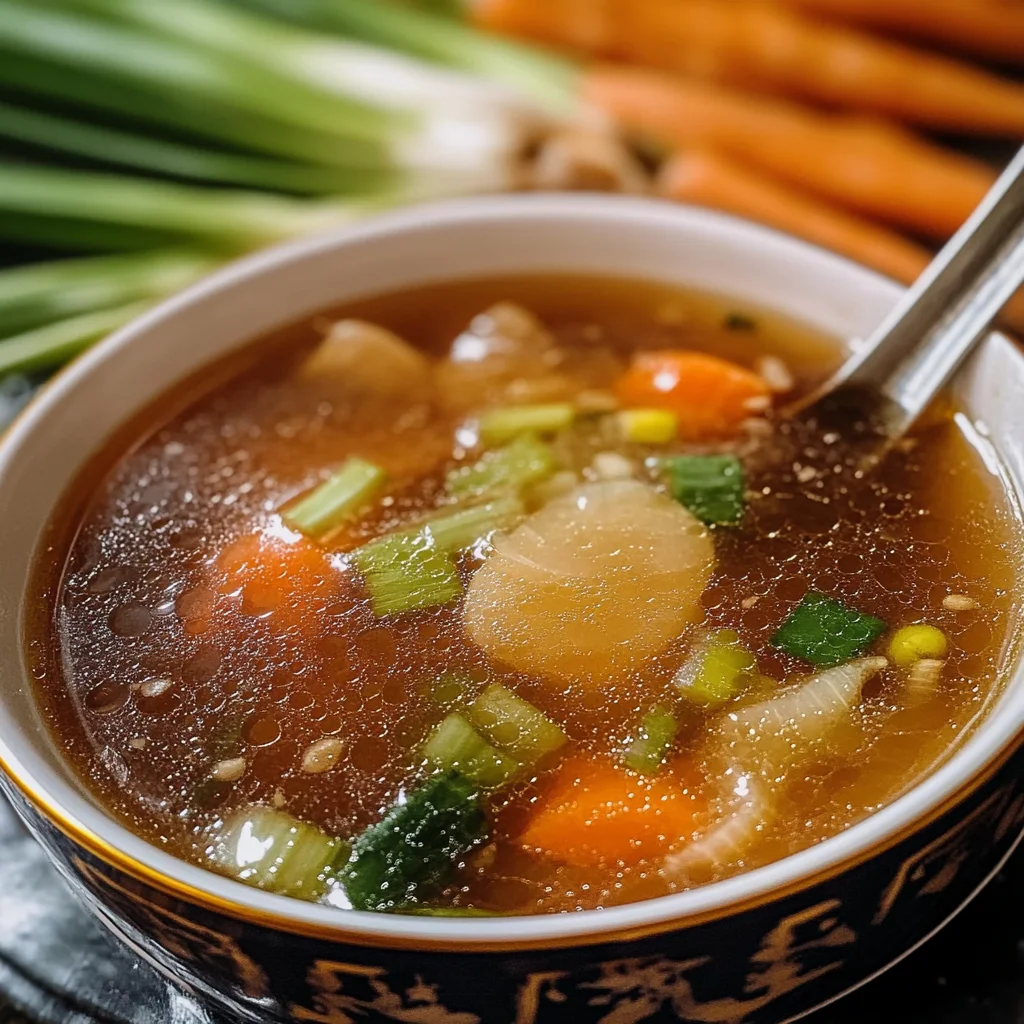
- 1/2 of a napa cabbage (cut in half lengthwise)
- 2 tablespoons vegetable oil (divided)
- 7 slices ginger (20g, or 0.7 oz.)
- 2 cloves garlic (peeled and cut in half)
- 2 cubes white fermented bean curd (0.8 ounces, 23g, optional)
- 1 onion (peeled and quartered)
- 1 pound carrots (450g, peeled and cut into large chunks)
- 8 scallions (ends removed)
- 8 ounces daikon radish (225g, peeled and cut into chunks)
- 1 5×5 inch piece dried kelp (kombu) (13x13cm, rinsed)
- 16 dried shiitake mushrooms (rinsed)
- 16 cups water (1 gallon, or about 4L)
- salt (to taste)
How to Make Asian Vegetable Stock
Step 1: Preheat the Oven
Preheat your oven to 375 degrees F. Take your napa cabbage half and cut it in half again lengthwise. Place the cabbage on a baking sheet and drizzle lightly with vegetable oil. Roast for approximately 25 minutes until tender.
Step 2: Prepare the Stock
In a large stockpot, heat 1 tablespoon of vegetable oil over medium heat. Add the ginger slices and garlic halves; cook for about 2 minutes until fragrant but not browned. If using fermented bean curd, add it next and cook for another minute.
Step 3: Combine Ingredients
Add the quartered onion, large carrot chunks, trimmed scallions, daikon pieces, dried kelp (kombu), rinsed shiitake mushrooms, and water to the pot. Once your napa cabbage is finished roasting, add it into the pot as well.
Step 4: Simmer the Stock
Bring everything to a boil over high heat. Then reduce the heat to low and cover with a lid. Let it simmer gently for about 4 hours to develop rich flavors.
Step 5: Strain and Season
After simmering is complete, strain the stock through a fine mesh strainer to remove solids. Season with salt to taste before serving or storing.
This Asian Vegetable Stock will elevate all your homemade dishes with its unique flavors! Enjoy experimenting with it in various recipes!
How to Serve Asian Vegetable Stock
Asian vegetable stock is versatile and can elevate various dishes. It can be enjoyed on its own or serve as a rich base for soups, stews, and noodle dishes.
As a Warm Beverage
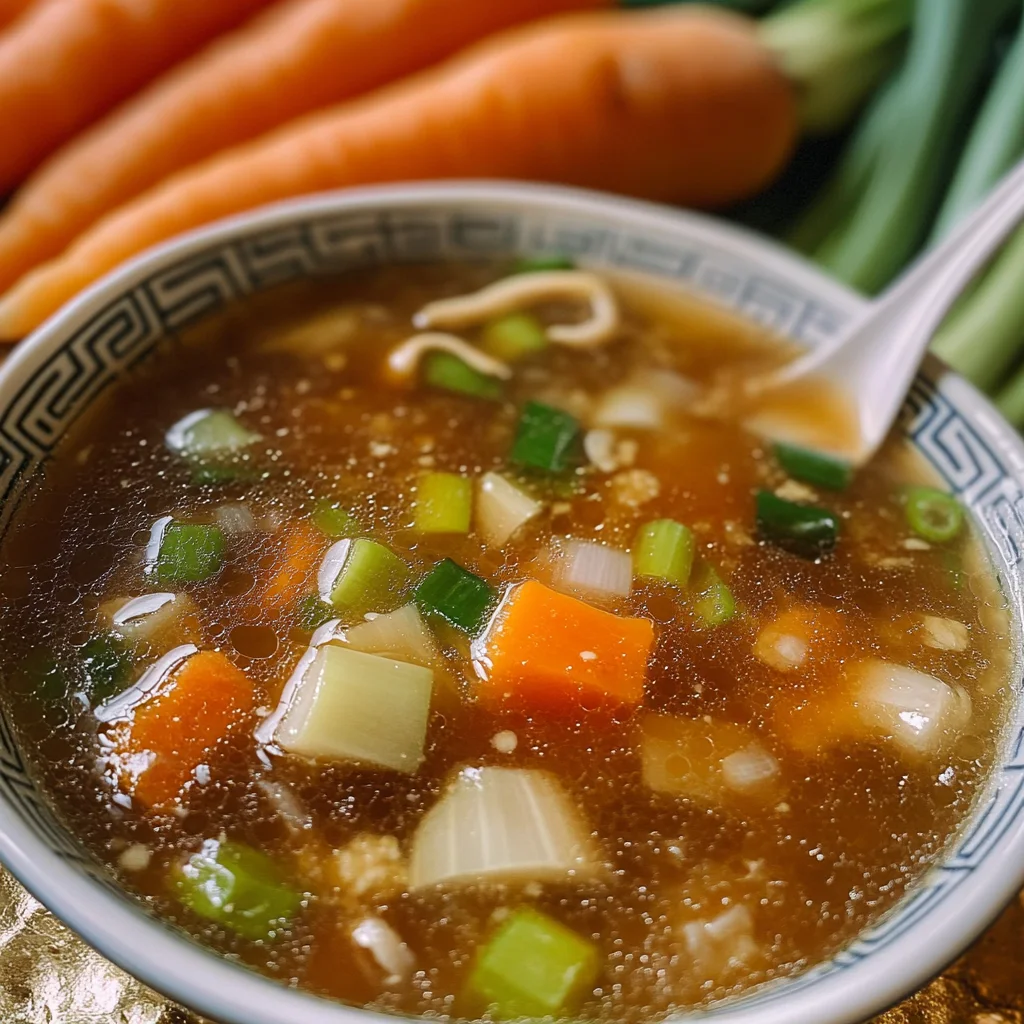
- Sip it directly in a bowl for a comforting, warm drink.
- Add a sprinkle of green onions or herbs for extra flavor.
In Noodle Soups
- Use the stock as a base for your favorite noodle soup recipes.
- Pair with tofu, vegetables, and noodles for a satisfying meal.
As a Cooking Liquid
- Substitute the stock in rice or quinoa recipes for added flavor.
- Use it to simmer grains, enhancing their taste while cooking.
With Stir-Fried Dishes
- Incorporate the stock into stir-fried vegetables to add moisture and depth.
- Combine with soy sauce or other seasonings for an umami boost.
How to Perfect Asian Vegetable Stock
Creating the perfect Asian vegetable stock requires attention to detail. Here are some tips to enhance your stock:
- Use Fresh Ingredients: Fresh vegetables and herbs will impart more flavor than older, wilted ones.
- Adjust Cooking Time: Simmer longer (up to 6 hours) for a richer flavor if desired.
- Strain Thoroughly: Ensure you strain the stock well to achieve a clear liquid without any solid bits.
- Season Gradually: Add salt towards the end of cooking so you can control the final taste better.
- Store Properly: Refrigerate unused stock in airtight containers or freeze it in portions for later use.
Best Side Dishes for Asian Vegetable Stock
Pairing side dishes with your Asian vegetable stock can create a harmonious meal. Here are some great options:
- Steamed Bok Choy: Lightly steamed bok choy complements the flavors of your stock beautifully.
- Vegetable Dumplings: These can be served alongside the stock as an appetizer or snack.
- Sesame Greens: Tossed spinach or kale with sesame oil adds texture and nutty flavor.
- Rice Paper Rolls: Fill them with fresh veggies and herbs for a refreshing bite that goes well with soup.
- Fried Tofu Bites: Crispy tofu offers protein while balancing the lightness of the broth.
- Cucumber Salad: A tangy cucumber salad provides crunch and brightness when served next to your stock.
Common Mistakes to Avoid
When making Asian vegetable stock, it’s easy to overlook some key steps. Here are common mistakes and how to avoid them.
- Skipping the Roasting Step: Not roasting the napa cabbage can lead to a less flavorful stock. Roasting adds depth; ensure you take this step seriously.
- Using Old Ingredients: Freshness matters! Using wilted vegetables or expired ingredients will compromise the taste. Always use fresh produce for the best results.
- Not Straining Properly: Failing to strain the stock can leave bits of vegetables, affecting texture. Use a fine mesh strainer for a smooth finish.
- Ignoring Seasoning: Overlooking salt can result in bland stock. Taste and season your stock gradually, adding salt to bring out flavors.
- Cook Time Mismanagement: Rushing the simmering process won’t extract enough flavor. Be patient; let it simmer for the full 4 hours for maximum richness.
Storage & Reheating Instructions
Refrigerator Storage
- Store in airtight containers for up to 5 days.
- Allow stock to cool completely before sealing.
Freezing Asian Vegetable Stock
- Freeze in freezer-safe containers or ice cube trays for up to 3 months.
- Leave space at the top of containers as liquid expands when frozen.
Reheating Asian Vegetable Stock
- Oven: Preheat oven to 350°F (175°C). Place in an oven-safe pot until heated through.
- Microwave: Heat in a microwave-safe container for 2-3 minutes, stirring halfway through.
- Stovetop: Bring stock to a gentle simmer over medium heat, stirring occasionally until warmed.
Frequently Asked Questions
Here are some common questions about using Asian vegetable stock.
What is Asian Vegetable Stock?
Asian vegetable stock is a flavorful broth made from various vegetables and seasonings, perfect as a base for soups and sauces.
How long does homemade Asian Vegetable Stock last?
Homemade Asian vegetable stock can last up to 5 days in the refrigerator and up to 3 months in the freezer when stored properly.
Can I customize my Asian Vegetable Stock?
Absolutely! Feel free to add your favorite vegetables or herbs like mushrooms or cilantro for unique flavors.
What dishes can I use Asian Vegetable Stock in?
You can use this versatile stock as a base for soups, ramen, risottos, or even sauces.
Is it possible to make this stock vegan?
Yes! This recipe is already plant-based and uses only vegetables and seasonings.
Final Thoughts
This Asian vegetable stock is not only rich in flavor but also versatile enough for many dishes. Experiment by adding different vegetables or herbs to customize it further. Enjoy sipping it alone or using it as a base for your favorite soups!
Did You Enjoy Making This Recipe? Please rate this recipe with ⭐⭐⭐⭐⭐ or leave a comment.
📖 Recipe Card
Print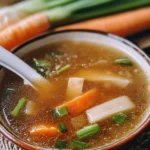
Asian Vegetable Stock
- Total Time: 4 hours 15 minutes
- Yield: Approximately 8 servings (1 cup each) 1x
Description
This Asian Vegetable Stock is a flavorful and aromatic base that brings depth to your favorite soups, stews, and noodle dishes. Crafted from a medley of fresh vegetables and herbs, this stock is not only easy to make but also packed with nutrients. Whether you’re sipping it warm or using it as a cooking liquid, you’ll appreciate the umami-rich essence that enhances any meal. Perfect for meal prep, this versatile stock can be made in large batches and frozen for quick access on busy days.
Ingredients
- 1/2 napa cabbage
- 2 tablespoons vegetable oil
- 7 slices ginger
- 2 cloves garlic
- 1 onion
- 1 pound carrots
- 8 scallions
- 8 ounces daikon radish
- 1 piece dried kelp (kombu)
- 16 dried shiitake mushrooms
- 16 cups water
- Salt to taste
Instructions
- Preheat your oven to 375°F (190°C). Cut the napa cabbage in half and roast on a baking sheet drizzled with vegetable oil for about 25 minutes until tender.
- In a large stockpot, heat 1 tablespoon of vegetable oil over medium heat. Add ginger and garlic; sauté until fragrant (about 2 minutes).
- Add onion, carrots, scallions, daikon radish, kombu, shiitake mushrooms, and water to the pot. Stir in the roasted napa cabbage.
- Bring to a boil over high heat, then reduce to low and cover. Simmer gently for approximately 4 hours.
- Strain the stock through a fine mesh strainer to remove solids and season with salt to taste.
- Prep Time: 15 minutes
- Cook Time: 4 hours
- Category: Soup
- Method: Simmering
- Cuisine: Asian
Nutrition
- Serving Size: 1 serving
- Calories: 35
- Sugar: 3g
- Sodium: 55mg
- Fat: 2g
- Saturated Fat: 0g
- Unsaturated Fat: 2g
- Trans Fat: 0g
- Carbohydrates: 7g
- Fiber: 2g
- Protein: 1g
- Cholesterol: 0mg